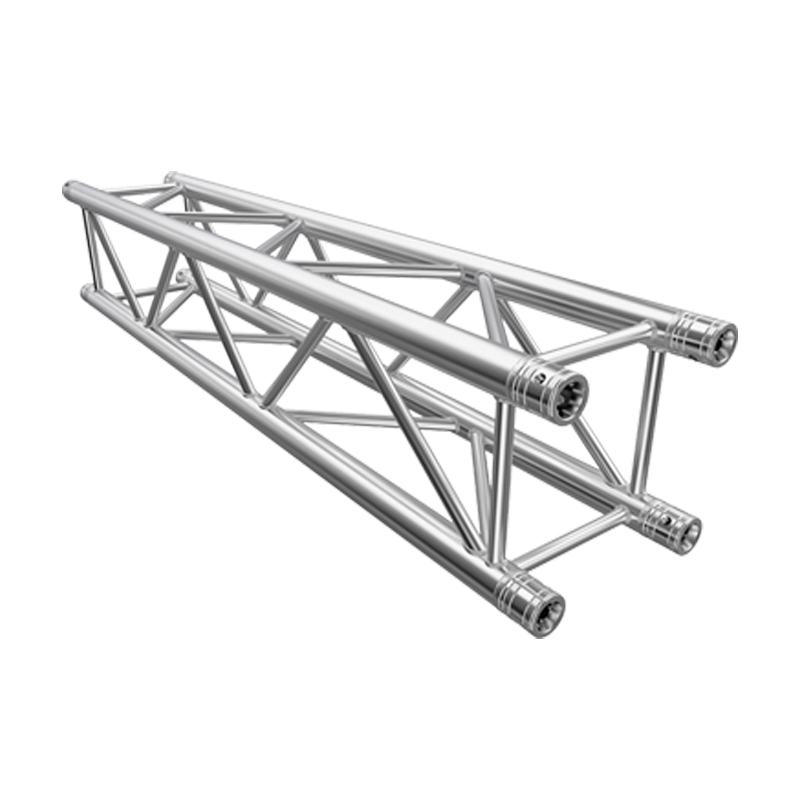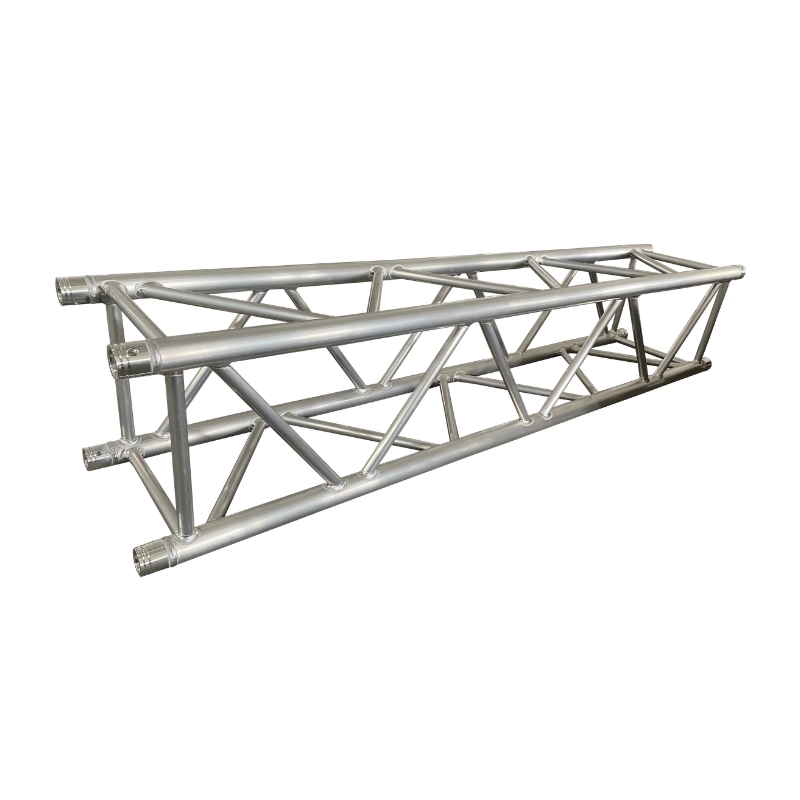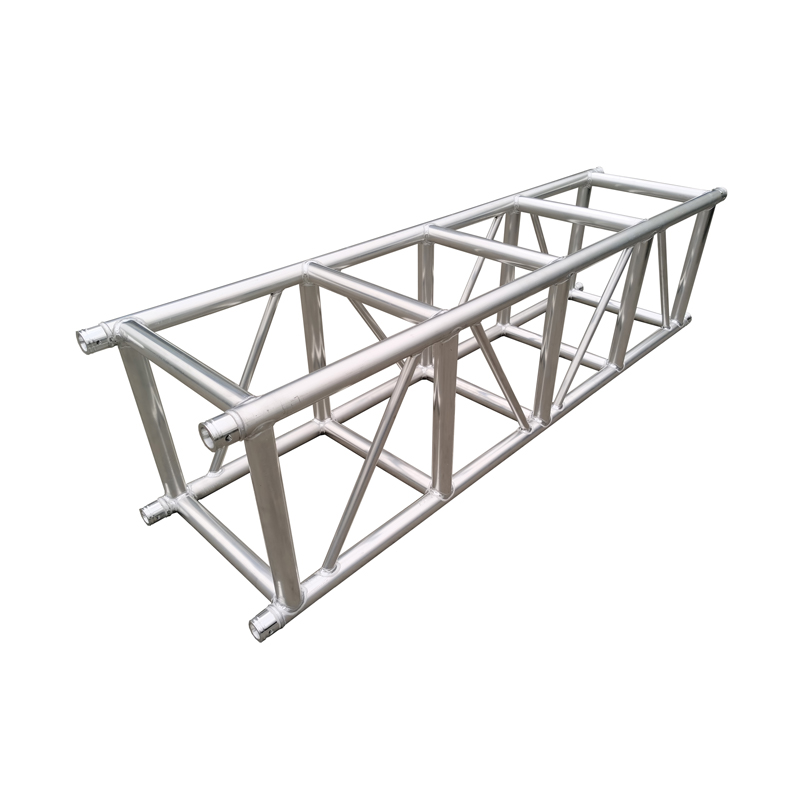
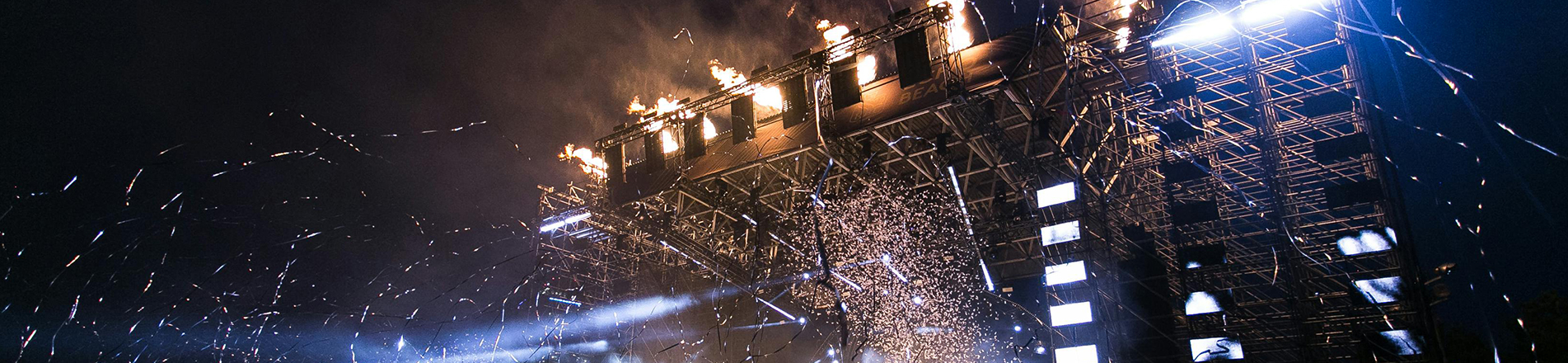
Choisir entre une structure d'éclairage de 290 mm, 400 mm ou 520 mm semble être un simple calcul, jusqu'à ce qu'on soit sur place. Les chiffres sur la fiche technique sont impressionnants, mais la réalité, avec la charge, la portée et le vent, est tout autre affaire. La plupart des gens commencent par la 290 mm, facile à déplacer, mais ils réalisent vite que les structures de 400 mm et 520 mm ont une raison d'être. En effet, il est essentiel de connaître précisément les capacités de chaque structure avant d'y installer du matériel coûteux. En fin de compte, choisir la structure adaptée est primordial.structure d'éclairage est la base d'une installation scénique sûre et professionnelle.
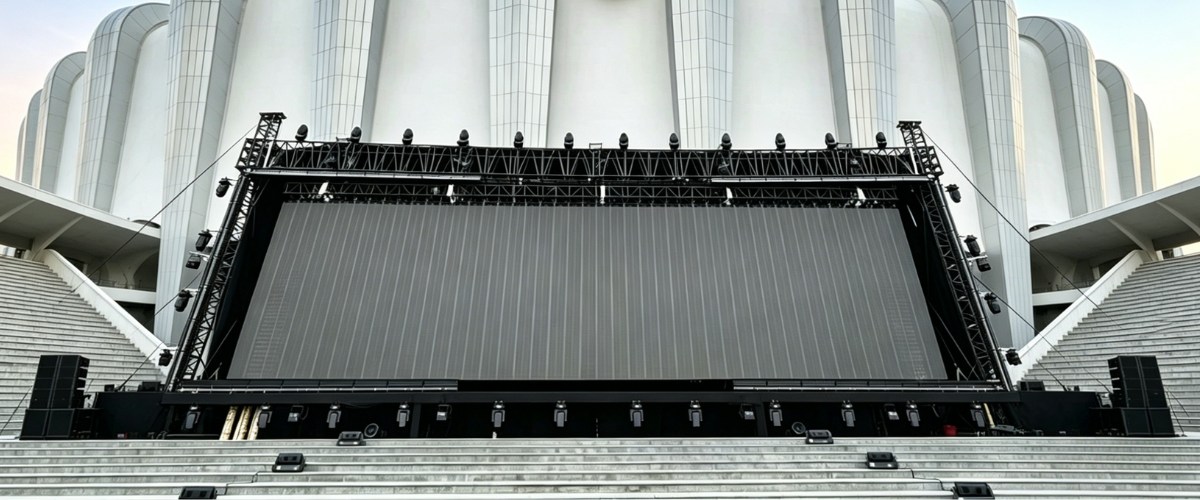
Dimensions courantes des structures d'éclairage
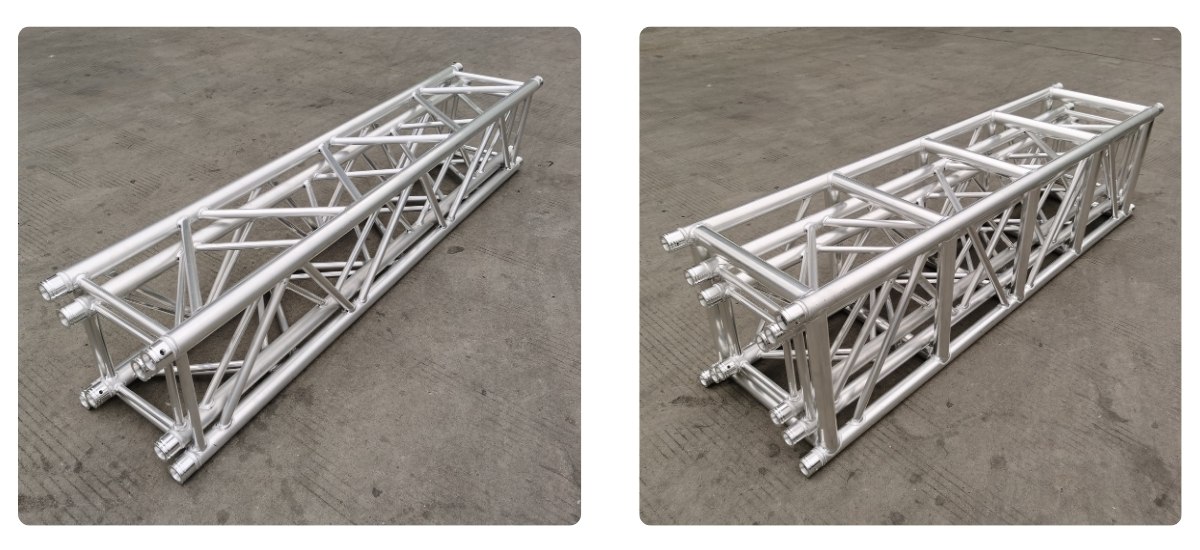
Voici un aperçu rapide des tailles standard (structures d'éclairage Spogot) que vous rencontrerez le plus souvent sur le terrain.
| Dimensions de la structure d'éclairage | Diamètre du tube principal | Durée maximale recommandée | Application idéale |
| 290 mm (12") | ø50 mm (2") | 12 m (39') | Cabines de DJ, petits stands, mariages |
| 400 mm (16") | ø50 mm (2") | 14 m (45') | Concerts de taille moyenne, expositions automobiles, systèmes de toiture |
| 520 mm (20") | ø50 mm (2") | 16 m (52') | Concerts, événements en stade, systèmes de sonorisation puissants |
Pour comprendre l'importance de la largeur des structures de support, il est essentiel de connaître leur fonctionnement physique. Les sections suivantes expliquent le comportement de chaque dimension lorsqu'elle est utilisée concrètement comme structure de support fiable pour l'éclairage.
Quelle largeur de structure d'éclairage correspond réellement à vos besoins ?
La largeur d'une structure d'éclairage ne se résume pas à une question d'esthétique ou d'apparence. Elle est entièrement liée à la physique de la répartition des charges et à la limite de résistance de l'aluminium. Quand on parle de largeur, on parle de la distance entre les membrures principales. Une structure plus large résiste mieux à la flexion. Sur scène, on parle simplement de solidité. Une structure trop fine se déforme, tandis qu'une structure trop large représente un gaspillage d'argent et d'espace dans le camion.
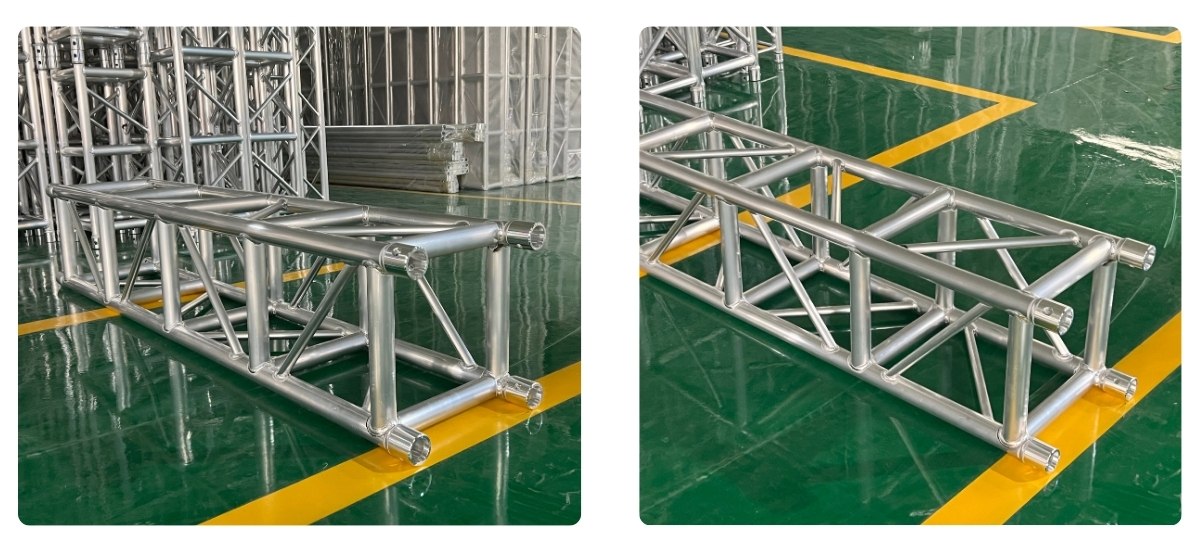
La structure d'éclairage de 290 mm est la norme du secteur pour une bonne raison : presque tous les loueurs de matériel en ont des centaines en stock. On peut la charger à l'arrière d'une petite camionnette et une seule personne peut transporter une section de deux mètres sans effort. Elle est idéale pour les petits événements comme les mariages ou les spectacles locaux. Elle a toujours été utilisée pour d'innombrables stands de DJ et petits stands d'exposition. Elle peut supporter un nombre appréciable de projecteurs PAR LED et quelques projecteurs asservis sans problème. C'est un excellent choix lorsqu'on recherche un rendu épuré et qu'on n'a pas besoin de combler un grand espace.
Voici ce que l'on oublie souvent concernant la taille de 290 mm : elle a ses limites. On voit ce tube principal de 50 mm et on pense qu'il peut tout supporter. Mais sa faible largeur signifie que plus la portée augmente, plus sa capacité de charge chute brutalement. Si vous essayez de dépasser sa limite de 12 m, vous risquez de rencontrer des problèmes. Lorsque votre portée approche de cette limite maximale, il est fortement déconseillé d'y suspendre des écrans LED particulièrement lourds ou du matériel audio imposant. Nombreux sont ceux qui tentent d'économiser quelques euros en utilisant une structure d'éclairage de 290 mm pour des projets qui nécessitent clairement une taille supérieure. Le risque de voir votre structure se déformer et compromettre la sécurité de l'événement ne vaut tout simplement pas les quelques euros économisés sur le prix de location ou d'achat.
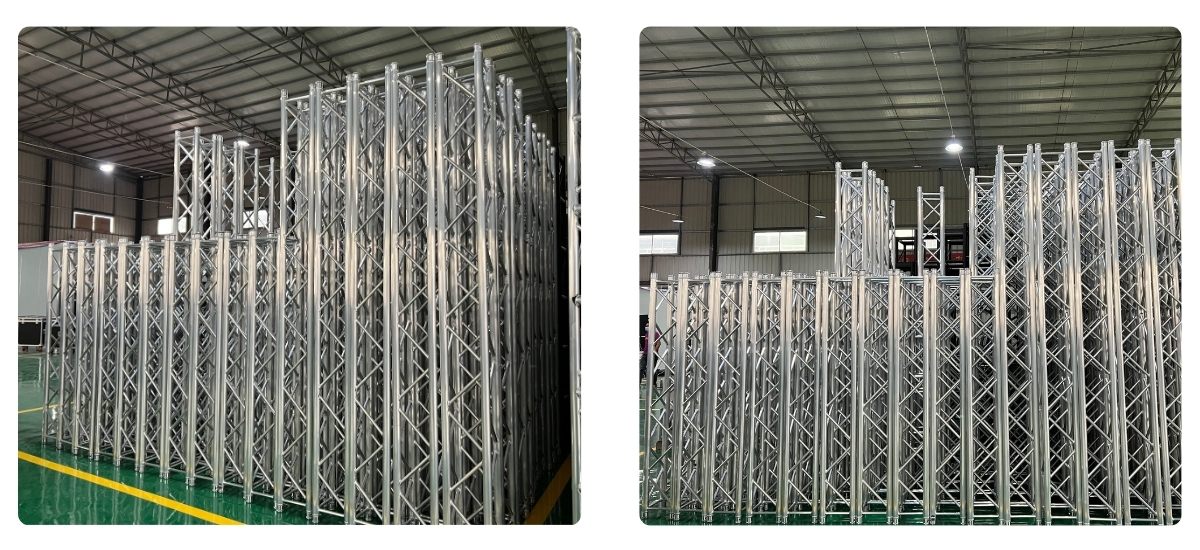
Avec une structure d'éclairage de 400 mm, vous entrez dans une toute autre dimension. C'est là que les choses sérieuses commencent. Ces 100 millimètres supplémentaires en largeur offrent un gain de rigidité considérable. Pour un concert de taille moyenne ou un événement en extérieur avec une toiture, c'est généralement le point de départ idéal. Une structure d'éclairage de 400 mm est le compromis parfait pour les installations professionnelles. Vous pouvez y suspendre une rangée complète de projecteurs asservis haute puissance sans qu'elle ne perde sa rigidité.
Imaginez un salon automobile ou un festival en plein air. Il faut composer avec le vent. Les distances entre les projecteurs sont plus importantes. Une structure d'éclairage de 400 mm peut couvrir 14 m tout en restant parfaitement stable. C'est ce qui fait la différence entre avoir confiance en son installation et devoir constamment vérifier les tableaux de charge à chaque déplacement d'un projecteur. Franchement, sur une grande scène, ça fait tout simplement plus professionnel.
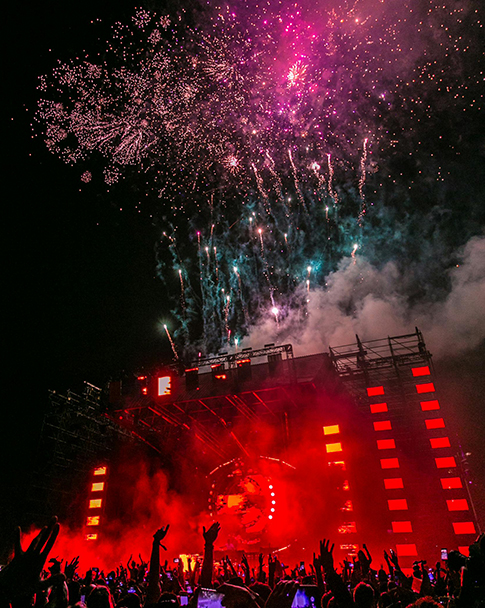
La structure d'éclairage de 520 mm est conçue pour les tournées de stades et les festivals de grande envergure. Les grands écrans LED pesant des milliers de kilos et les imposants systèmes d'enceintes line array suspendus à la charpente sont presque toujours installés sur un système de 520 mm ou plus. Ce format est conçu pour supporter les charges les plus lourdes sur les plus grandes portées. C'est la référence absolue dans le monde de la scène.
Travailler avec une structure d'éclairage de 520 mm est une tout autre affaire. Ces sections ne se déplacent pas à la main. Il est recommandé d'utiliser des chariots élévateurs et des moteurs, ainsi qu'une équipe parfaitement formée à la manipulation de lourdes structures en aluminium. Le poids même de la structure est un facteur important dans vos calculs de charge. Si vous construisez une imposante toiture pour un plafond, c'est exactement ce qu'il vous faut. Elle offre la stabilité nécessaire pour une tranquillité d'esprit totale, même par mauvais temps.
Assemblage par boulonnage ou par emboîtement : comment vos structures d’éclairage se connectent
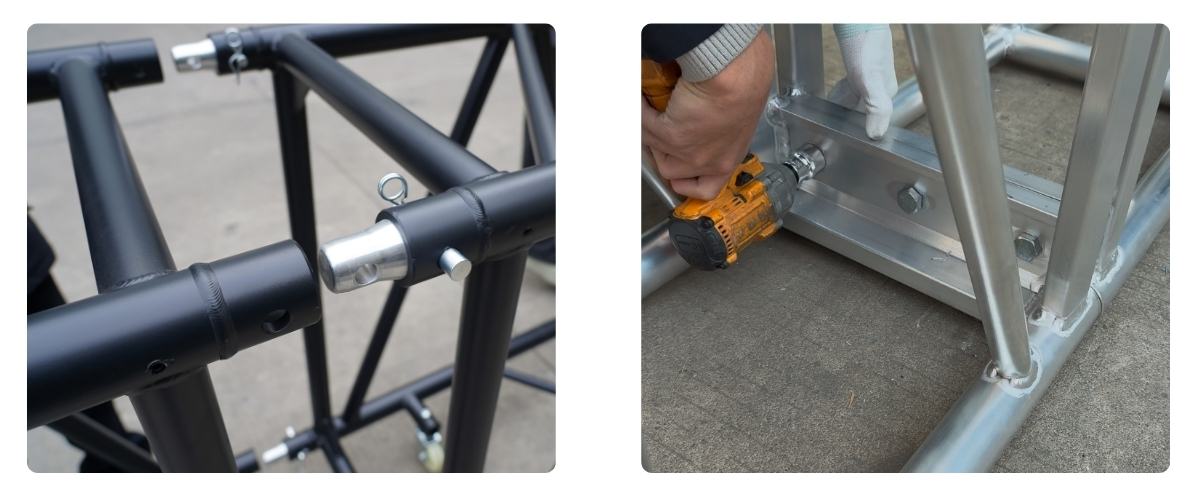
Une fois la largeur déterminée, il faut choisir le mode d'assemblage des éléments. Deux méthodes principales permettent d'assembler une structure d'éclairage : les boulons et les emboîtures. Chacune a ses avantages et son utilité. Le choix dépendra de la fréquence prévue des déplacements du matériel et du budget alloué à la main-d'œuvre.
La structure d'éclairage à tige est la reine des tournées. Son système de goupilles est rapide et facile à utiliser. Il suffit d'aligner les extrémités, d'insérer la tige et de visser les goupilles au marteau. Aucun outil n'est nécessaire, à part un simple marteau. C'est pourquoi les équipes de tournée l'adorent. Quand on doit décharger à deux heures du matin et que tout le monde est épuisé, on n'a pas envie de s'embêter avec des écrous et des boulons. On veut juste enlever les goupilles et charger le camion.
Quoi qu'il en soit, le véritable atout du système à emboîtement réside dans sa rapidité. Il permet un gain de temps considérable lors du montage et du démontage. De plus, grâce à la forme conique des goupilles, la connexion est d'une solidité exceptionnelle. Aucun jeu n'est possible au niveau des joints. Pour les sociétés de location et les artistes en tournée, les économies de main-d'œuvre à elles seules justifient le surcoût du système d'éclairage à emboîtement.
Mais n'écartez pas encore la structure d'éclairage boulonnée. Elle est peut-être plus lente à installer, mais elle présente des avantages. On la retrouve principalement dans les installations permanentes, comme les clubs, les lieux de culte ou les théâtres. Si la structure est installée une fois pour toutes et qu'elle doit rester en place pendant au moins cinq ans, pourquoi payer pour un système à emboîtement coûteux ? Une fixation boulonnée est extrêmement sûre. Une fois les boulons serrés, la structure est parfaitement stable. C'est une méthode très simple et très fiable pour construire une grille d'éclairage.
Si votre budget est serré, la structure d'éclairage boulonnée est souvent la solution idéale. Sa fabrication étant plus simple, son prix est généralement plus bas. C'est une excellente option pour un auditorium scolaire ou un petit théâtre local où le temps est plus précieux que l'argent. Il faut simplement être prêt à fournir un effort supplémentaire : outils et patience sont indispensables. Mais pour une application adaptée, c'est un choix tout à fait valable.
Sécurité et qualité des matériaux : de quoi est réellement faite votre structure d’éclairage ?
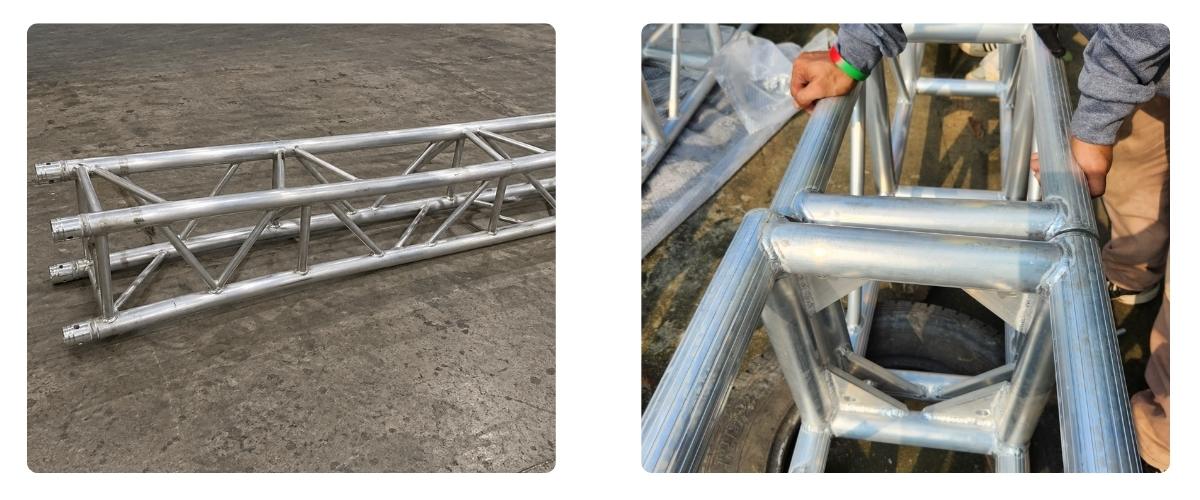
Il faut absolument qu'on parle de la composition de cette structure en aluminium. Car au final, on suspend des charges lourdes au-dessus de la tête des gens. La sécurité ne dépend pas seulement de la largeur de la structure. Elle repose sur la qualité du métal et le savoir-faire du soudeur. Si le matériau est de mauvaise qualité, la largeur de la structure n'a aucune importance : elle finira par céder.
Lorsque vous consultez les spécifications, vous verrez des chiffres comme 6082-T6. Il ne s'agit pas d'un simple code : c'est la nuance de l'alliage d'aluminium. Dans le secteur de la construction scénique, le 6082-T6 est la référence. C'est un alliage haute résistance spécialement conçu pour les applications structurelles. Il est plus résistant que l'alliage 6061. Il résiste à la flexion et supporte bien mieux les contraintes liées aux cycles de chargement et de déchargement.
Lorsqu'on chauffe l'aluminium pour le souder, on fragilise le métal autour de la jointure. Un alliage 6082-T6 de qualité est conçu pour mieux résister à ce procédé. Il conserve une plus grande résistance après soudage que d'autres alliages. C'est pourquoi vous devez toujours demander à votre fournisseur la nuance exacte du métal qu'il utilise. S'il ne peut pas vous donner une réponse claire ou s'il prétend que cela n'a pas d'importance, refusez tout simplement la transaction. Votre sécurité et celle de votre équipe dépendent de la qualité de ce métal.
Vous devez inspecter votre matériel à chaque retour de spectacle. Il est recommandé de commencer par vérifier les soudures. Recherchez les moindres fissures ou toute trace de décoloration. Si une soudure semble se détériorer, la structure d'éclairage est hors service. N'essayez pas de la réparer. Veuillez la mettre hors service et la découper afin que personne d'autre ne puisse l'utiliser. Le risque est trop important.
Les longerons principaux sont-ils visiblement tordus ? Les diagonales semblent-elles asymétriques ou vrillées ? Si les trous ne s'alignent pas lorsque vous insérez les goupilles, cela signifie que le métal s'est étiré sous le poids excessif supporté par le passé. Il faut également surveiller attentivement les soudures, notamment celles qui commencent à se fissurer. Si vous constatez l'un de ces signes, mettez immédiatement la section concernée hors service. En réalité, il vaut bien mieux avoir un seul élément de matériel en moins que de voir tout un ensemble s'effondrer sur quelqu'un.
Portée et flèche : les deux facteurs qui déterminent réellement votre décision
Passons maintenant à la partie qui prête le plus à confusion : la portée et la flèche. Ce sont les deux facteurs qui détermineront la largeur de la structure d'éclairage nécessaire. Les ignorer, c'est procéder par tâtonnements, et c'est ainsi que surviennent les accidents.
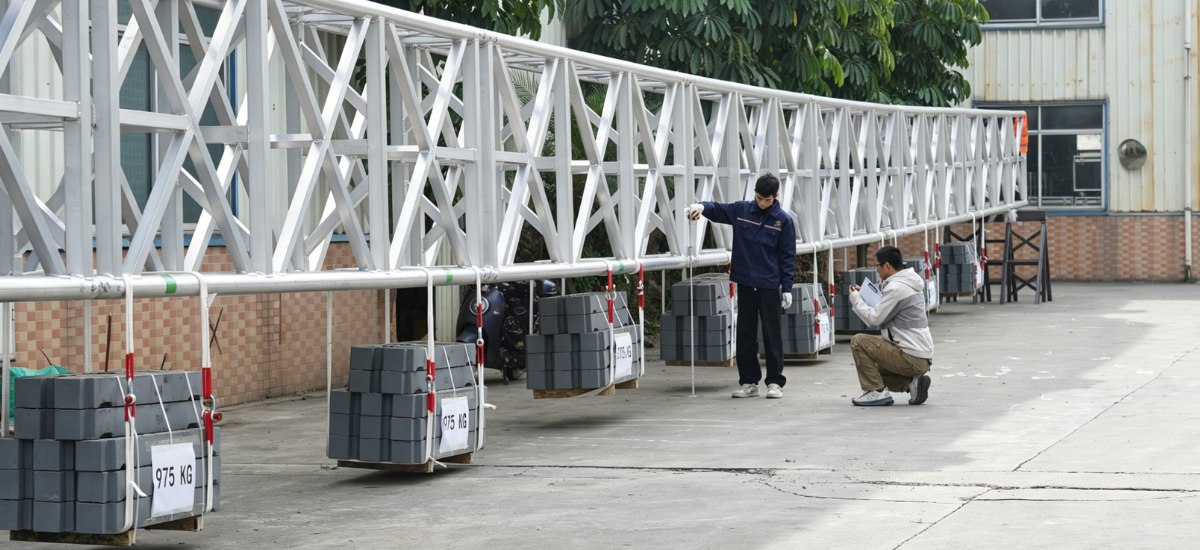
La portée est une notion simple. Il s'agit de la distance entre deux points d'appui. Si deux pylônes sont distants de vingt mètres, la portée est de vingt mètres. Cependant, plus la portée est grande, plus le pylône se courbe en son milieu. Cette courbure est appelée flèche. Chaque fabricant fournit un tableau des charges indiquant précisément le poids maximal admissible pour différentes portées et la flèche du pylône. Il est essentiel de consulter attentivement ces tableaux.
Avez-vous déjà vu une pièce d'aluminium se plier comme si elle était en plastique ? C'est ce qui arrive quand on néglige la déformation. Même si la structure ne casse pas, un affaissement important et visible au milieu de votre installation est inesthétique. Cela inquiète le public et vous donne une image d'amateur. La règle est simple : pour une grande portée, il faut une structure plus large afin de limiter la déformation. Une structure de 520 mm à vingt mètres fléchira moins qu'une structure de 400 mm à la même distance. Consultez toujours vos fabricants de structures pour obtenir des conseils d'experts avant de finaliser votre conception. C'est le meilleur moyen de garantir que votre structure d'éclairage fonctionnera comme prévu.
Obtenir la structure d'éclairage adaptée auprès d'un fabricant fiable
Choisir la bonne structure d'éclairage est une question d'équilibre. Il faut concilier les besoins du spectacle, les contraintes budgétaires et les contraintes de transport. Mais s'il y a bien une chose sur laquelle il ne faut jamais transiger, c'est la sécurité. Que vous optiez pour des structures de 290 mm, 400 mm, 520 mm ou plus, assurez-vous de choisir la structure adaptée à vos éclairages auprès d'un fabricant reconnu. De nombreuses options bon marché sont disponibles sur le marché, mais elles ne possèdent ni les certifications ni les tests nécessaires.
Établir une relation avec un fabricant fiable est inestimable. Vous avez besoin d'un partenaire capable de répondre à vos questions techniques et qui comprend les contraintes du secteur événementiel. Privilégiez les fabricants de structures scéniques établis depuis longtemps et reconnus pour leur excellent service client. Ils doivent pouvoir vous fournir des tableaux de charges complets et les certifications des matériaux pour chaque élément vendu. Si leur priorité semble être de conclure une vente rapide plutôt que de vous aider à construire une structure sécurisée, méfiez-vous.
Le mieux est d'anticiper. N'attendez pas la dernière minute pour vérifier si votre structure d'éclairage peut supporter le poids. Prenez le temps de faire les calculs et de consulter vos monteurs. Si vous hésitez encore sur la taille idéale pour votre prochain projet, contactez GF-Truss. Nous sommes passionnés par ce sujet et toujours ravis de vous aider à élaborer un plan sur mesure qui garantit le bon déroulement de votre spectacle et la sécurité de votre équipe. Le secteur des structures d'éclairage est passionnant ; faisons en sorte qu'il le reste en utilisant les outils adaptés.


 IPv6 RÉSEAU PRIS EN CHARGE
Laisser un message
Numériser vers WhatsApp :

Hi! Click one of our members below to chat on
 Tél
:
Tél
: E-mail
:
E-mail
: Français
 English
 Pусский
 Español
 العربية